
The Material Science Behind Traditional Healing: How Modern Cupping Equipment Is Preserving Ancient Techniques
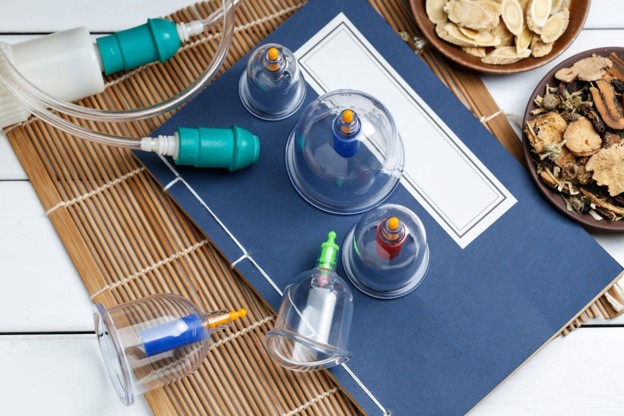
Traditional healing practices continue evolving as modern practitioners seek greater consistency and reliability, making cupping therapy supplies an important connection between centuries-old techniques and today’s professional wellness environments. While cupping has been practiced across different cultures for generations, the tools supporting each session now play a significant role in treatment quality, practitioner workflow, and overall consistency.
The evolution of cupping equipment reflects a broader transformation within traditional medicine: preserving ancient approaches often requires adapting the materials and systems that support them.
How Traditional Practices Evolve Through Better Tools
Traditional healing methods are often associated with generations of knowledge passed down through experience. However, the continued relevance of these practices depends partly on how effectively they adapt to modern professional environments.
Cupping has historically relied on simple materials and manual techniques. Today, practitioners increasingly evaluate equipment based on factors such as:
- Consistent performance.
- Ease of use.
- Treatment control.
- Practitioner workflow.
- Patient comfort.
Modern cupping therapy supplies demonstrate how traditional approaches can maintain their original principles while benefiting from advancements in material design and manufacturing.
The goal is not to replace traditional knowledge but to provide practitioners with tools that allow those techniques to be applied more consistently.
The Role of Material Quality in Treatment Consistency
The materials used in cupping equipment can influence the overall treatment experience. Practitioners depend on reliable tools to create predictable conditions during each session.
Important considerations may include:
- Strength and durability of materials.
- Transparency for monitoring skin response.
- Secure connections and fittings.
- Ease of cleaning and maintenance.
- Consistent application across treatments.
When equipment performs reliably, practitioners can focus more attention on technique, assessment, and patient interaction.
This relationship between tools and technique highlights why professional cupping therapy supplies are an important part of maintaining consistent treatment environments.
Preserving Traditional Techniques Through Modern Design
One misconception about modernization is that technological improvement changes the original philosophy behind traditional practices. In reality, carefully designed tools can help preserve techniques by making them more accessible and repeatable.
Modern equipment development allows practitioners to:
- Maintain traditional treatment approaches.
- Improve control during application.
- Adapt techniques for different clinical settings.
- Support consistent practitioner training.
- Create more organized treatment workflows.
The advancement of materials does not necessarily move traditional medicine away from its roots. Instead, it can provide new ways to protect and strengthen those practices.
Why Practitioner Confidence Depends on Reliable Equipment
Healthcare and wellness professionals often rely on confidence in their tools to create effective treatment environments. Equipment uncertainty can create unnecessary distractions, while dependable tools allow practitioners to focus on patient care.
Reliable supplies contribute to:
- More predictable treatment preparation.
- Better organization within clinical spaces.
- Greater efficiency during appointments.
- Improved practitioner familiarity with equipment.
- Consistent experiences for returning patients.
For many practitioners, selecting quality cupping therapy supplies is part of building a professional foundation that supports long-term practice development.
Cupping Therapy Supplies And The Connection Between Tools And Patient Experience
Although patients may focus primarily on the practitioner’s expertise, the equipment used during a session also contributes to the overall experience.
Well-designed cupping tools can support:
- A more comfortable treatment process.
- Greater confidence in clinical environments.
- A smoother appointment experience.
- Better communication between practitioners and patients.
As traditional wellness practices continue becoming more integrated into modern health discussions, attention to every aspect of the treatment process becomes increasingly important.
Traditional Medicine in a More Standardized World
One of the challenges facing traditional practices is balancing individuality with consistency. Many traditional approaches rely on practitioner knowledge, experience, and interpretation. However, modern healthcare environments increasingly value clear standards and reliable processes.
This creates a unique opportunity for traditional medicine.
Professional-grade tools help practitioners maintain the individuality of their approach while supporting:
- Better workflow management.
- Consistent treatment preparation.
- More predictable equipment performance.
- Professional practice standards.
The development of high-quality cupping therapy supplies reflects this balance between traditional knowledge and modern expectations.
The Growing Importance of Professional Equipment Selection
As interest in complementary and integrative wellness continues to expand, practitioners are becoming more intentional about the tools they incorporate into their practices.
Equipment selection is increasingly influenced by:
- Material quality.
- Manufacturer reliability.
- Practical usability.
- Long-term value.
- Compatibility with professional workflows.
Choosing the right tools is not simply about purchasing equipment. It is about creating an environment where traditional techniques can be practiced effectively and consistently.
Organizations such as the National Center for Complementary and Integrative Health continue researching complementary health approaches and examining how traditional practices interact with modern healthcare perspectives. This growing attention reinforces the importance of understanding both the methods and the systems that support these practices.
Preserving Ancient Knowledge Through Modern Innovation
Traditional healing practices have survived because they have continuously adapted across generations. The materials, tools, and systems supporting these practices are part of that ongoing evolution.
Modern cupping therapy supplies represent more than physical equipment. They reflect the connection between historical knowledge and contemporary expectations for consistency, safety, and professional practice.
As practitioners continue bringing traditional techniques into modern wellness environments, the future of cupping will depend not only on preserving ancient methods but also on improving the tools that help carry those methods forward. By combining traditional principles with thoughtful innovation, modern equipment helps ensure that centuries-old practices remain relevant for future generations.


