
How Does Tai Chi Benefit Mental Health and Emotional Well-Being?
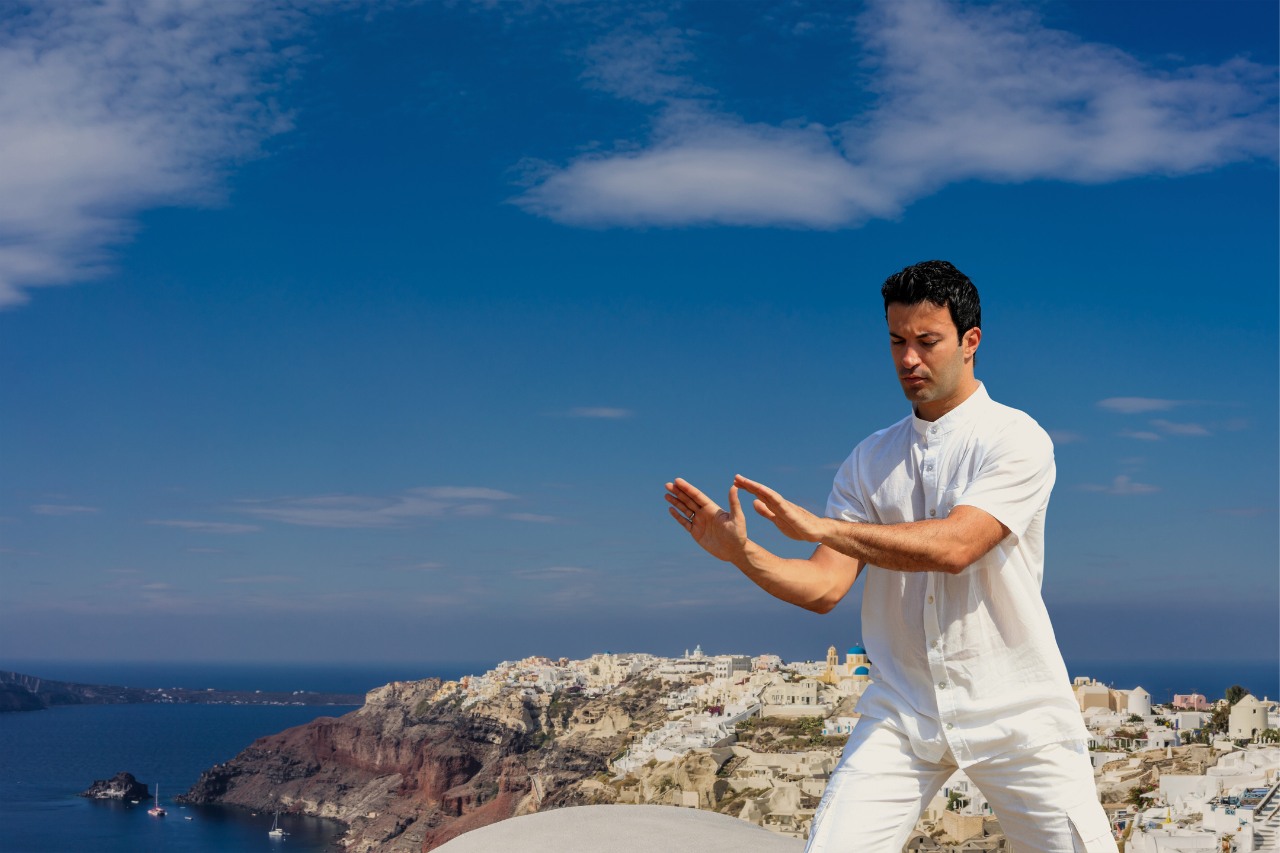
Tai Chi, deeply rooted in Chinese culture, holds a special place as a revered martial art form and a holistic exercise regimen aimed at enhancing overall health and well-being. From bustling parks in China to serene settings in the West, Tai Chi has captured the fascination of people of all ages, offering a blend of physical activity, meditation, and controlled breathing. In this exploration, we delve into the myriad benefits, foundational principles, and essential skills that every beginner should grasp on their Tai Chi journey.
The Essence of Tai Chi
Tai Chi, often referred to as shadowboxing, is steeped in tradition and revered for its health-enhancing properties. Originating in China, this ancient martial art form has gained global recognition for its gentle yet profound impact on physical and mental wellness. Unlike rigorous workouts that demand significant muscle strength, Tai Chi emphasizes fluid, steady movements, making it accessible to individuals of all ages and fitness levels.
Movement, Meditation, and Breathing
At its core, Tai Chi revolves around three fundamental elements: movement, meditation, and breathing. Each graceful motion is intricately choreographed to promote harmony between the mind and body. Through mindful movement, practitioners cultivate balance, flexibility, and agility,all while fostering a profound sense of inner peace. By integrating meditation techniques,Tai Chi becomes a powerful tool for reducing stress, enhancing focus, and restoring equilibrium. Coupled with controlled breathing exercises, Tai Chi offers a holistic approach to health and wellness, promoting physical vitality and mental clarity.
Health Benefits of Tai Chi
Numerous studies attest to the myriad health benefits of Tai Chi across a spectrum of conditions, including diabetes, stroke, heart failure, Parkinson’s disease, cancer, and arthritis. Particularly noteworthy is its efficacy in improving balance control and flexibility, thereby reducing the risk of falls among older adults. Tai Chi has also shown promise in alleviating chronic pain, enhancing cognitive function, and bolstering mental well-being. As the world grapples with the challenges posed by the COVID-19 pandemic, Tai Chi emerges as a valuable ally, offering solace, resilience, and a sense of empowerment in uncertain times.
Traditional vs. Modern Tai Chi
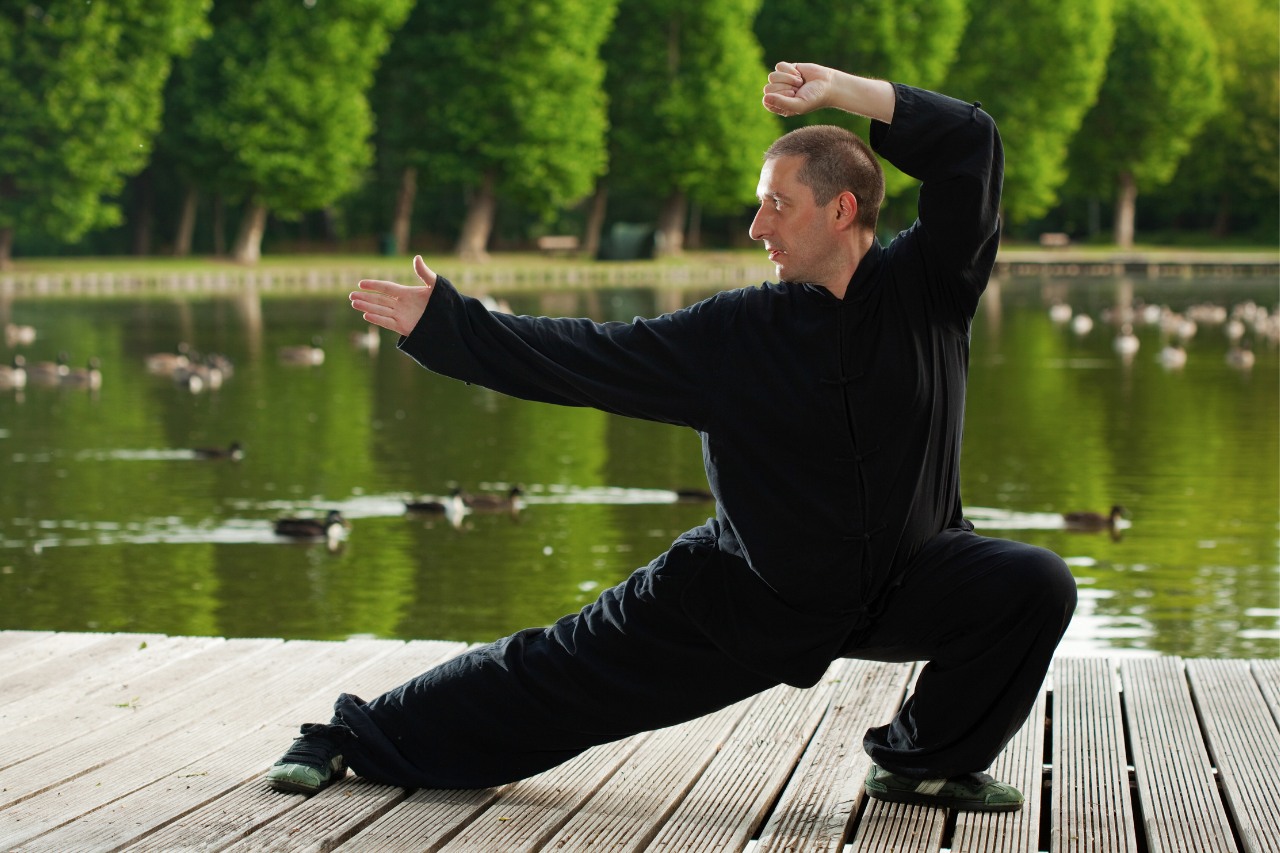
While traditional Tai Chi was rooted in the principles of self-defense, modern iterations place greater emphasis on health promotion and disease prevention. In modern Tai Chi, defense takes a back seat, with practitioners focusing instead on harnessing its therapeutic benefits. This evolution has spawned various styles of Tai Chi, each offering a unique blend of movements, philosophies, and training methodologies tailored to suit diverse needs and preferences.
Embarking on Your Tai Chi Journey
Whether you’re seeking to improve your physical fitness, cultivate inner peace, or embark on a journey of self-discovery, Tai Chi offers a pathway to holistic well-being. As you embrace the gentle rhythms of Tai Chi, remember to approach your practice with patience, perseverance, and an open heart. With dedication and mindfulness, you’ll unlock the transformative power of this ancient martial art, paving the way for a healthier, happier life.
Tai Chi is a practice that promotes mental clarity, emotional stability, and physical health. As you explore the arts of Tai Chi, keep in mind that its capacity to profoundly integrate mind, body, and spirit is rooted in its harmony, simplicity, and transformational force. Allow the elegant motions of Tai Chi to lead you to a more lively, healthy existence as you embrace the practice with open arms.


