Strength and Endurance The Hybrid Athlete Method
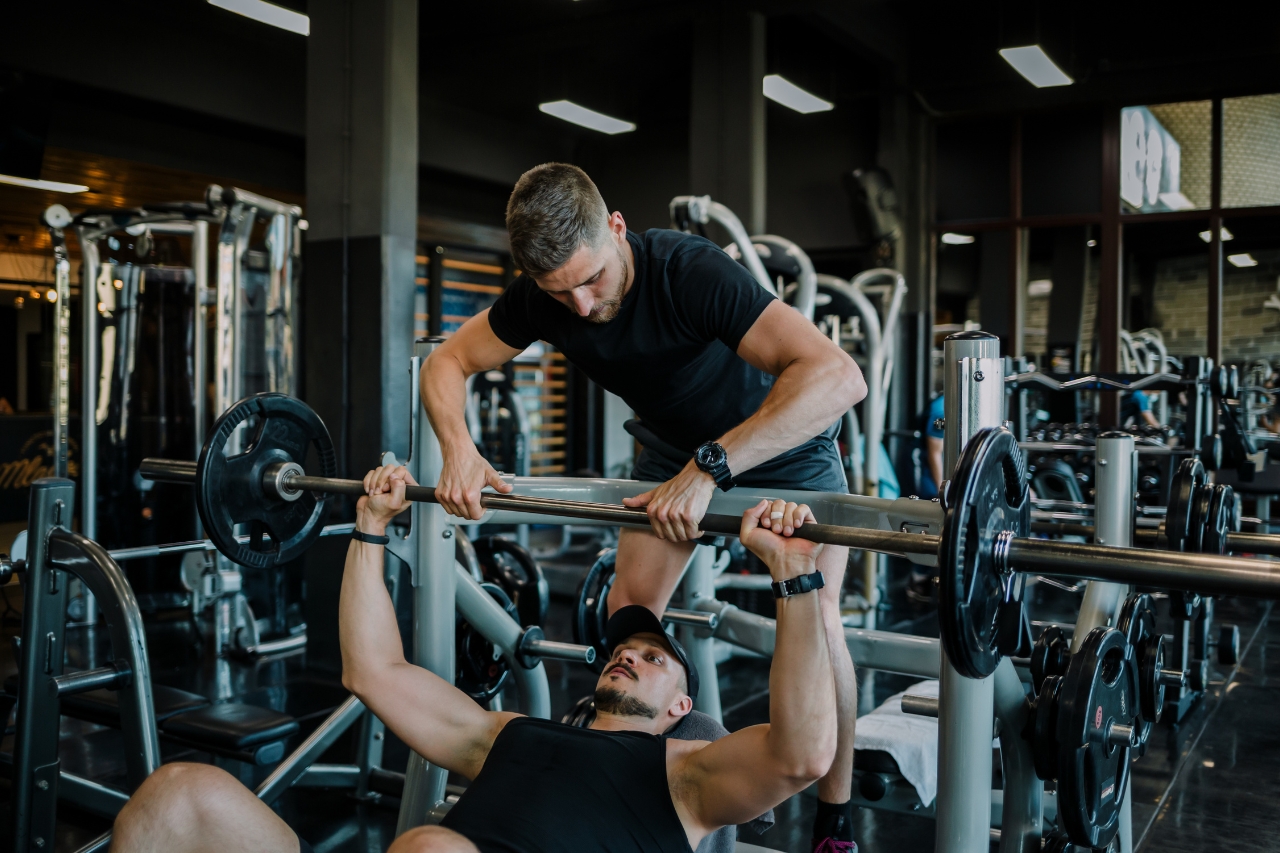
hybrid athlete training
Let’s be honest for a second.
Most guys who start lifting fall into the same trap. You chase bigger numbers on the bar. Heavier squats. Bigger bench. More plates. And for a while, it works. You get stronger. You build muscle.
But then something weird happens. You climb two flights of stairs, and your lungs feel like they’re on strike.
That’s the exact problem the hybrid athlete 2026 movement is fixing. The modern goal isn’t just strength anymore. It’s performance. A body that can lift heavy and still move fast. One that looks strong but also has the engine to back it up.
In other words, the era of the bulky but breathless lifter is fading fast.
The End of the Old Bodybuilding Playbook
Traditional bodybuilding splits worked for one purpose: building size. Chest day. Back day. Leg day. Repeat. But here’s the issue.
Those routines rarely trained your heart or your ability to sustain effort. And in the real world, strength without endurance has limits.
That’s exactly why hybrid training is replacing traditional bodybuilding splits. The modern athlete wants both. Strength and conditioning. Muscle and stamina. That’s where hybrid training 2026 comes in.
Instead of separating lifting and cardio, hybrid athletes use concurrent training—a method that develops strength and endurance at the same time. Done correctly, it creates high-performance muscle rather than just aesthetic muscle. Think tactical operators, endurance athletes, and competitors preparing for events like HYROX training for men.
Strength Without an Engine Is Useless
If you want to understand hybrid training, you need to understand the engine. The engine is your cardiovascular capacity. Your ability to recover between sets. Your ability to keep moving under fatigue.
That’s where Zone 2 cardio for lifters becomes a secret weapon. Zone 2 cardio means working at about 60–70% of your max heart rate. You’re moving, breathing slightly heavier, but still able to talk.
Sounds easy, right? That’s the point.
Consistent Zone 2 cardio builds mitochondrial density in muscle tissue. Translation? You recover faster. You handle higher volume lifting. Your body becomes more efficient at producing energy.
Even many Vo2 Max programs for bodybuilders now include aerobic base work for exactly this reason.
The Hybrid Athlete Mindset
Here’s the mental shift. Instead of asking, “How much can I bench?” the hybrid athlete asks something better. Can I lift heavy and still move well?
For example, one benchmark many hybrid athletes chase is how to build a sub-25-minute 5k while squatting 315 lbs. That combination requires both strength and endurance working together.
This is where functional muscle building matters. Movements like sled pushes, carries, and compound lifts build strength that actually transfers to real-world performance. You’re not just lifting weight. You’re training your body to work under pressure.
Train for Strength AND Movement
Hybrid athletes rely heavily on compound exercises.
Squats, deadlifts, presses, and carries form the foundation of functional strength. These movements activate multiple muscle groups while reinforcing stability and coordination.
But they’re not the whole story. Hybrid training also includes metabolic conditioning sessions designed to push your heart rate and endurance capacity. One of the best tools here is the sled push for power. Heavy pushes followed by short runs simulate the kind of fatigue you’ll see in HYROX prep guide workouts.
This leads to another key element: compromised running drills.
These drills force you to run immediately after heavy strength work. Your legs feel fried. Your lungs are working overtime. That’s the challenge. But it teaches your body to perform even when tired.
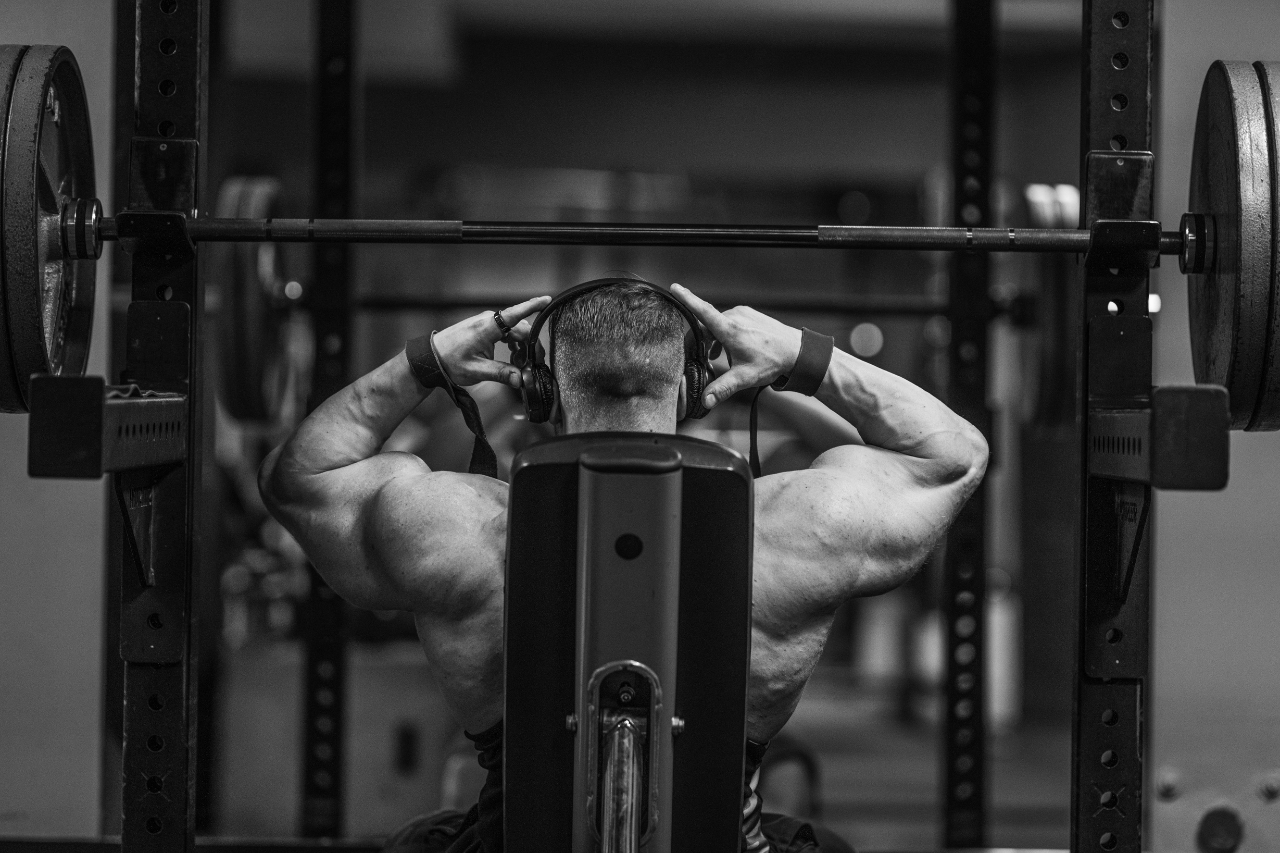
functional fitness for men
What Hybrid Training Actually Looks Like
You don’t need six-hour training days to become a hybrid athlete. In fact, the best approach for most guys is a minimalist strength split.
Especially if you’re balancing work, family, and life.
Here’s a simple strength-endurance split that works well for busy professionals.
Quick Guide
- Day 1: Lower body strength—squats, RDLs, sled pushes
- Day 2: 40–45 minutes Zone 2 cardio
- Day 3: Upper body strength—bench press, rows, overhead press
- Day 4: Speed or intervals—short runs or HYROX-style conditioning
- Day 5: Full-body functional muscle-building session
- Day 6: Long easy run or low-impact conditioning
- Day 7: Recovery and mobility work
This approach builds strength while steadily improving endurance for lifters.
Periodization Matters More Than You Think
Another mistake beginners make is trying to improve everything at once. Hybrid athletes use concurrent training periodization instead.
For example:
Four weeks focused slightly more on strength.
Then four weeks leaning toward endurance development.
This allows the body to adapt properly without burning out. Many athletes also rotate between heavy strength phases and low-impact engine-building phases to protect joints while improving conditioning.
The Hybrid Physique
Here’s the interesting part. When you train this way, the aesthetic benefits follow automatically. Hybrid athletes typically carry lean muscle, strong posture, and low body fat. Not overly bulky. Not overly thin.
Just capable.
That’s what tactical fitness is really about.
Performance first. Appearance as a byproduct.
The Real Takeaway
You don’t have to choose between lifting heavy and being athletic anymore. That old argument is outdated. In 2026, the most capable athletes combine strength, endurance, and resilience into one training system. The barbell still matters. So does conditioning.
But together, they create something better. A body that doesn’t just look strong. A body that actually performs.